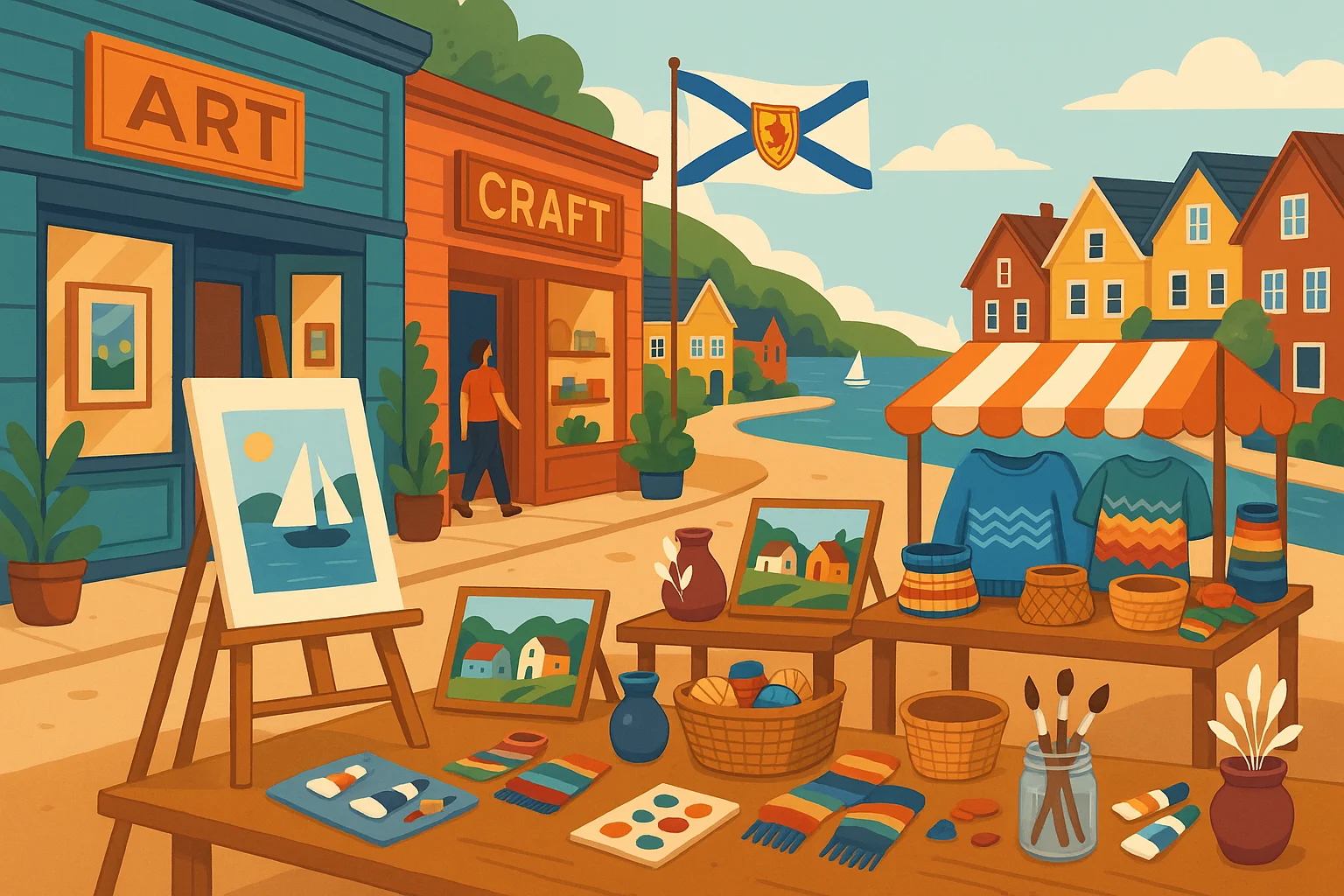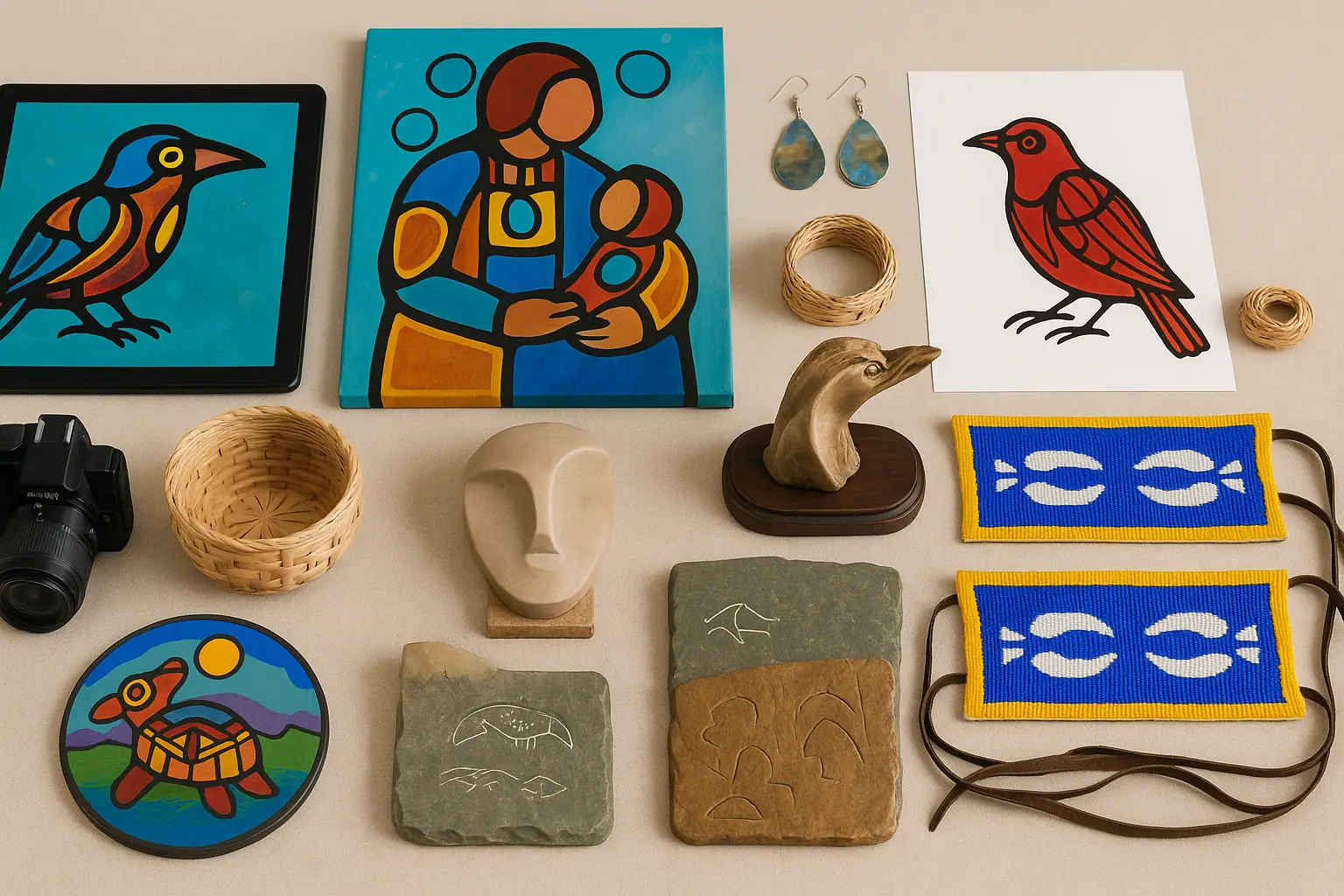
Nova Scotia’s creative culture didn’t begin with modern craft fairs or trendy storefronts — it begins with the Mi’kmaq (Mi’kmaw), the original people of Mi’kma’ki, whose territory includes Nova Scotia and the broader region. Mi’kmaw art is among the oldest and most influential art traditions in Atlantic Canada, shaped by land, water, seasonal life, and teachings passed down across generations.
What makes Mi’kmaw art especially powerful is that it’s not only “decoration.” Many forms carry knowledge, memory, identity, and relationships — to family, to community, and to the natural world.
Quick glossary (so the wording stays respectful)
You’ll see these terms a lot:
- Mi’kmaq = the people (plural is also “Mi’kmaq”)
- Mi’kmaw = the adjective (Mi’kmaw art, Mi’kmaw culture)
- Mi’kma’ki = the Mi’kmaq homeland/territory
(If you’re ever unsure, using “Mi’kmaw” as the adjective is a safe bet.)
Traditional Mi’kmaw art forms (and what makes each one special)
1) Porcupine quillwork on birchbark (and sometimes hide)
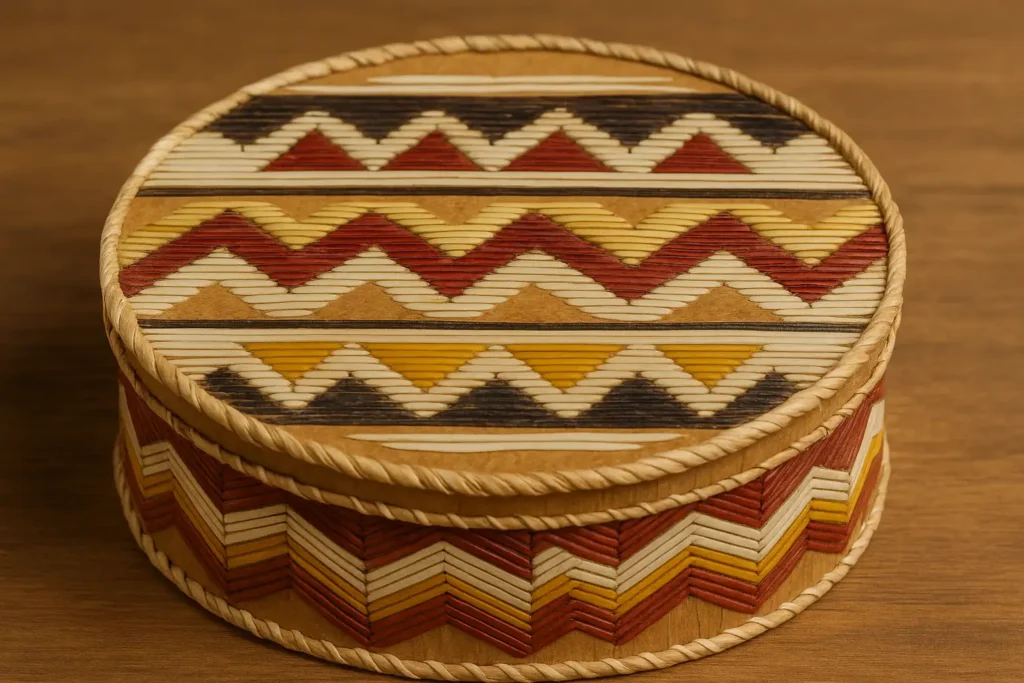
Quillwork is one of the most recognizable Indigenous art forms in the region, created by dyeing porcupine quills and carefully pressing or stitching them into birchbark, hide, or cloth to form geometric, floral, or symbolic designs.
In your draft, you already mention how pieces are often finished with borders like sweetgrass or spruce-root details — that “framing” is part of what makes quillwork pieces feel so complete and intentional.
What to look for when viewing/buying: clean, cons; intentional pattern symmetry; and an artist signature or clear attribution (this matters a lot for authenticity and fair support).
2) Black ash and sweetgrass basketry
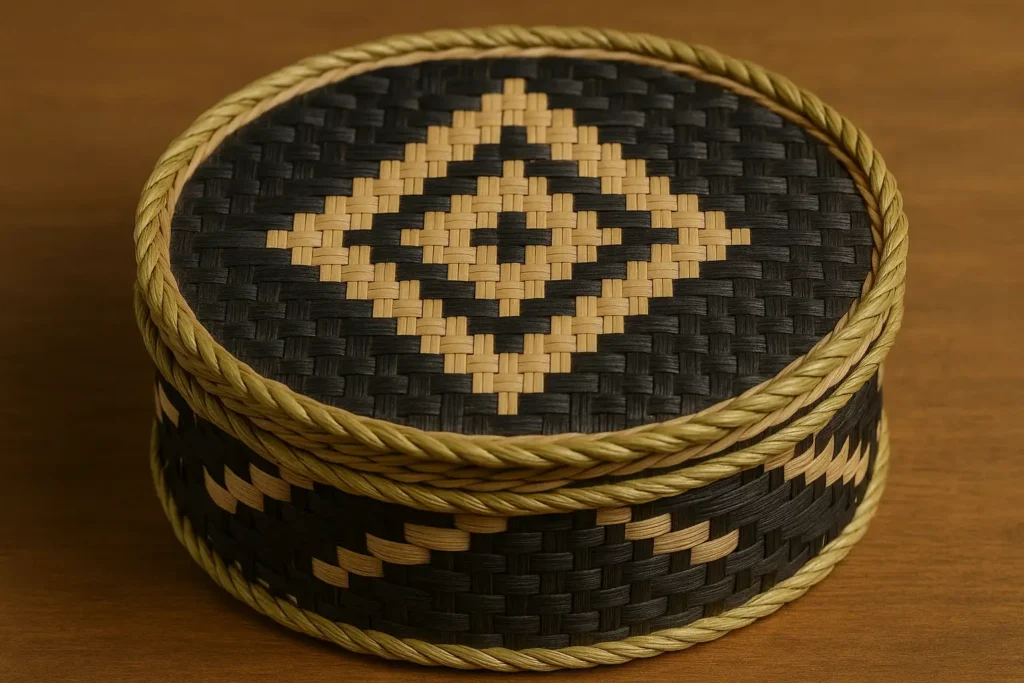
Mi’kmaw basketry is world-respected. Traditionally, artists use black ash to create strong splints and often weave in sweetgrass for texture, scent, and beauty — producing berry bowls, utility baskets, lidded containers, and intricate patterns.
Across the Wabanaki region, ash and sweetgrass baske. deeply connected to careful material harvesting and long-practiced techniques.
Why it matters: basketry isn’t “just a craft.” It reflects skill, time, and heritage — and it’s often one of the most direct ways visitors can support living tradition through artist-made work.
3) Beadwork and regalia decoration
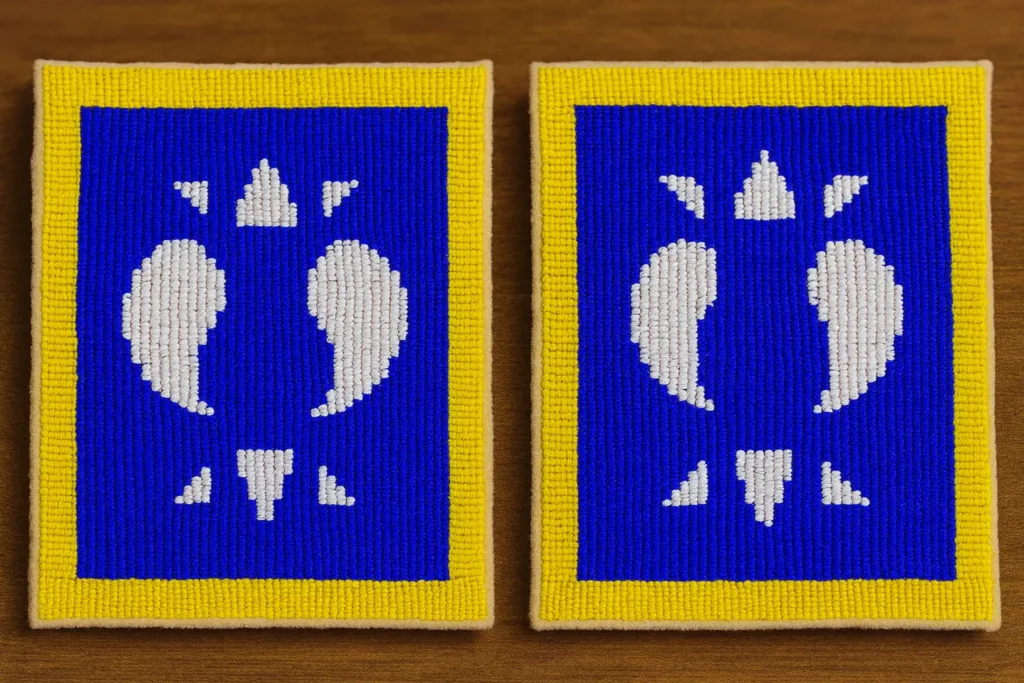
Beadwork commonly appears on clothing, moccasins, and ceremonial regalia, using motifs like florals, spirals, and symmetrical designs — blending tradition with personal expression.
Today, you’ll also see beadwork adapted into contemporary items like earrings, medallions, and modern fashion pieces while still holding cult. writing about regalia: it’s best to avoid treating it like “costume” — regalia is meaningful and often tied to ceremony, family, and community.
4) Carving and woodwork
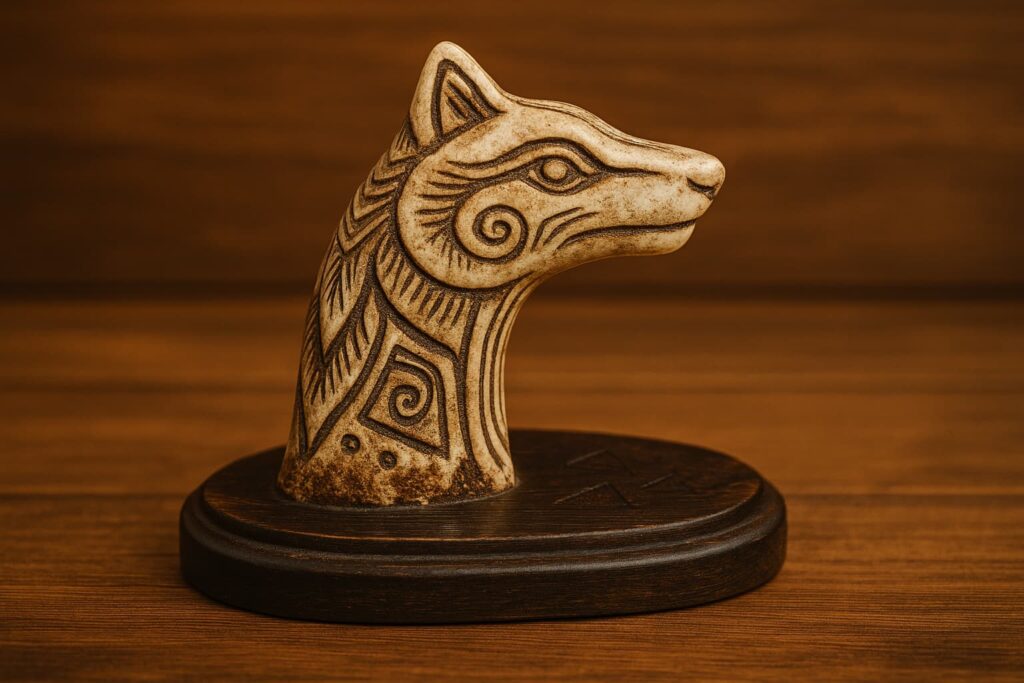
Historically, Mi’kmaq people carved tools, paddles, decorative items, and figures from wood, stone, antler, and bone, and many contemporary artists continue carving traditions while exploring modern styles.
If you visit a cultural centre or shop, carvings often show animals, story figures, or stylized forms that connect to land and oral tradition hieroglyphs and Mi’kmaw visual records (including hieroglyphs)
One of the most important places to understand Mi’kmaw visual history in Nova Scotia is Kejimkujik National Park and National Historic Site, home to over 500 petroglyphs — carved images that can depict canoes, people, animals, and history.
Parks Canada also notes the petroglyph area is restricted, and access is typically through guided tours (seasonal).
Visitor tip: Treat these sites like you would a sacred archive. Follow guide rules, keep a respectful distance, and avoid anything that could damage surfaces.
5. Petroglyphs and Mi’kmaw Hieroglyphs
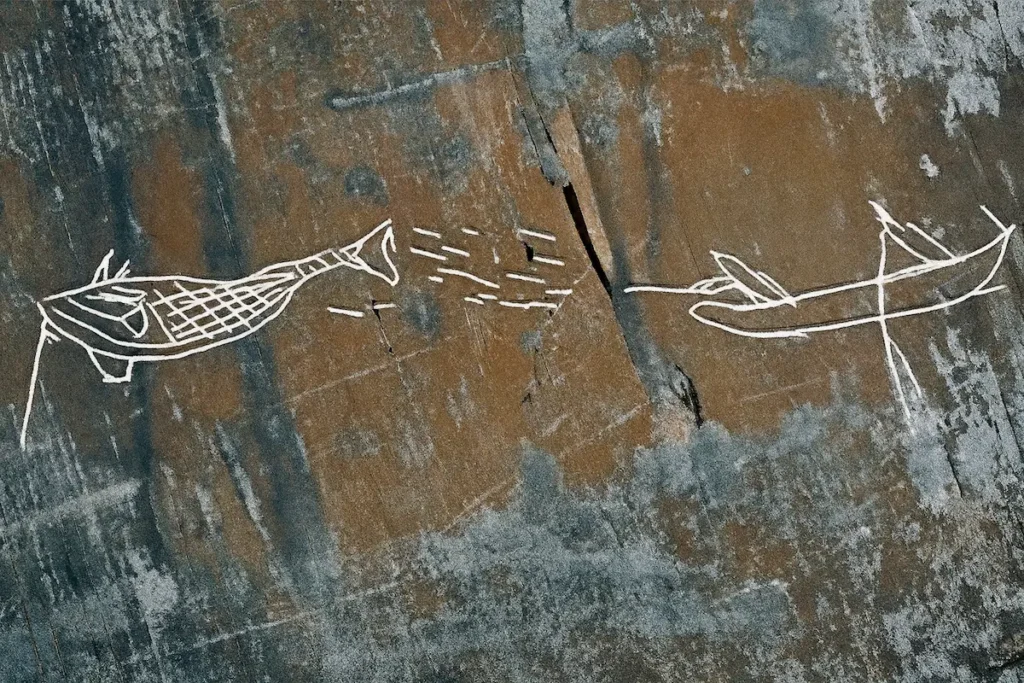
Kejimkujik National Park is home to hundreds of Mi’kmaw petroglyphs — stone carvings that depict things like canoes, people, animals, and early contact history. These aren’t just “old drawings.” They’re cultural records: teachings and stories that have been carried forward through generations.
Alongside petroglyphs, you may also see references to Mi’kmaw hieroglyphs — a symbolic way of recording and sharing knowledge. In the context of Mi’kmaw art traditions, both petroglyphs and hieroglyphs show how visual language has long been used to preserve memory, identity, and history.
If you visit: treat these sites like a living archive. Follow park guidelines, stay respectful of protected areas, and consider joining an interpretive experience when available so you’re learning from proper context (instead of guessing meanings).
A note on patterns and design language (without over-explaining)
It’s totally normal to wonder, “What does this symbol mean?” — but it’s also important not to lock every pattern into a single, universal meaning.
For example, the double-curve motif appears widely across Northeastern Indigenous art traditions and has been studied historically as a major design structure in the region.
You can mention it as a recognizable design style, while encouraging readers to learn meaning directly from Mi’kmaw artists and educators (because interpretation can be community- and artist-specific).
Modern Mi’kmaq art today (where tradition meets now)
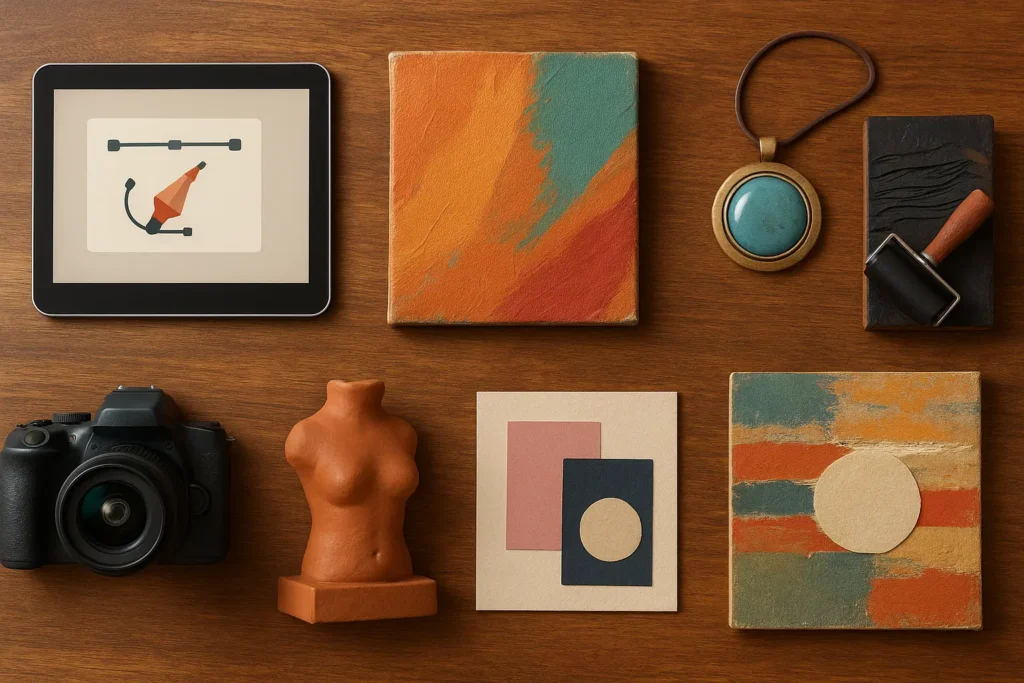
Your original list here is solid — keep it, but give it more “why this matters.”
Today’s Mi’kmaw artists continue traditional practices while also exploring:
- digital illustration
- contemporary painting
- jewelry and metalwork
- printmaking
- photography
- sculpture
- mixed media
This mix of old and new is part of what makes Nova Scotia’s creative culture feel alive: tradition isn’t stuck in the past — it evolves, adapts, and keeps speaking to the present.
Where to see (and support) Mi’kmaq art in Nova Scotia
1) Membertou Heritage Park (Cape Breton)
A strong place to start if you want a guided introduction to Mi’kmaw culture, exhibits, and locally made arts and crafts. Membertou Heritage Park
2) Millbrook Cultural & HeritMi’kmaq Art in Nova Scotia_ His…o)
A Mi’kmaq museum experience that highlights history and culture through exhibits and community storytelling. Millbrook Cultural & Heritage Centre
3) Kejimkujik National Park & National Historic Site (petroglyph tours)
Kejimkujik protects an internationally significant cultural landscape connected to Mi’kmaq history, including major petroglyph collections. Kejimkujik National Park
4) Indigenous markets + Indigenous-owned galleries and shops
Markets are often where you’ll find living artists selling beadwork, prints, carvings, quillwork, and contemporary pieces directly (best for supporting creators). Local Indigenous markets
Simple rule that helps: whenever possible, buy from places that clearly name the artist and community.
How to support Mi’kmaw artists respectfully (this part builds trust with readers)
Do:
- Buy directly from artists or trusted Mi’kmaw-led shops/centres whenever possible
- Look for artist name, nation/community, and story (authentic work is usually credited)
- Share artists’ work online by tagging and linking to them, not reposting without credit
- If you’re commissioning, ask about preferred usage rights (especially for printing)
Avoid:
- “Indigenous-inspired” mass-produced items with no artist attribution
- Copying Mi’kmaw patterns for branding or product designs (even if the intent is “appreciation”)
- Treating ceremonial items like décor without understanding context
(You can write this gently — it reads as thoughtful, not preachy.)
FAQ (optional, but great for SEO + reader clarity)
Is it okay for non-Indigenous people to buy Mi’kmaw art?
Yes — when it’s purchased respectfully and authentically, buying art is a direct way to support artists and living culture.
What’s the best way to make sure a piece is authentic?
Look for artist attribution (name + community), buy from Mi’kmaw-led cultural centres/shops, or purchase directly at Indigenous markets.
Can anyone visit the Kejimkujik petroglyphs?
Access is protected and typically done via guided tours during the operating season.
Why this matters for Nova Scotia’s creative culture
Supporting Mi’kmaw artists helps preserve one of the most important and influential art traditions in Nova Scotia — and it also helps the province’s creative identity stay honest about where its deepest roots truly begin.
If you’re exploring Nova Scotia and want to connect with the art scene in a meaningful way, start here: learn, visit, listen, and support artists by name.